Jul 28, 2022 | Architecture
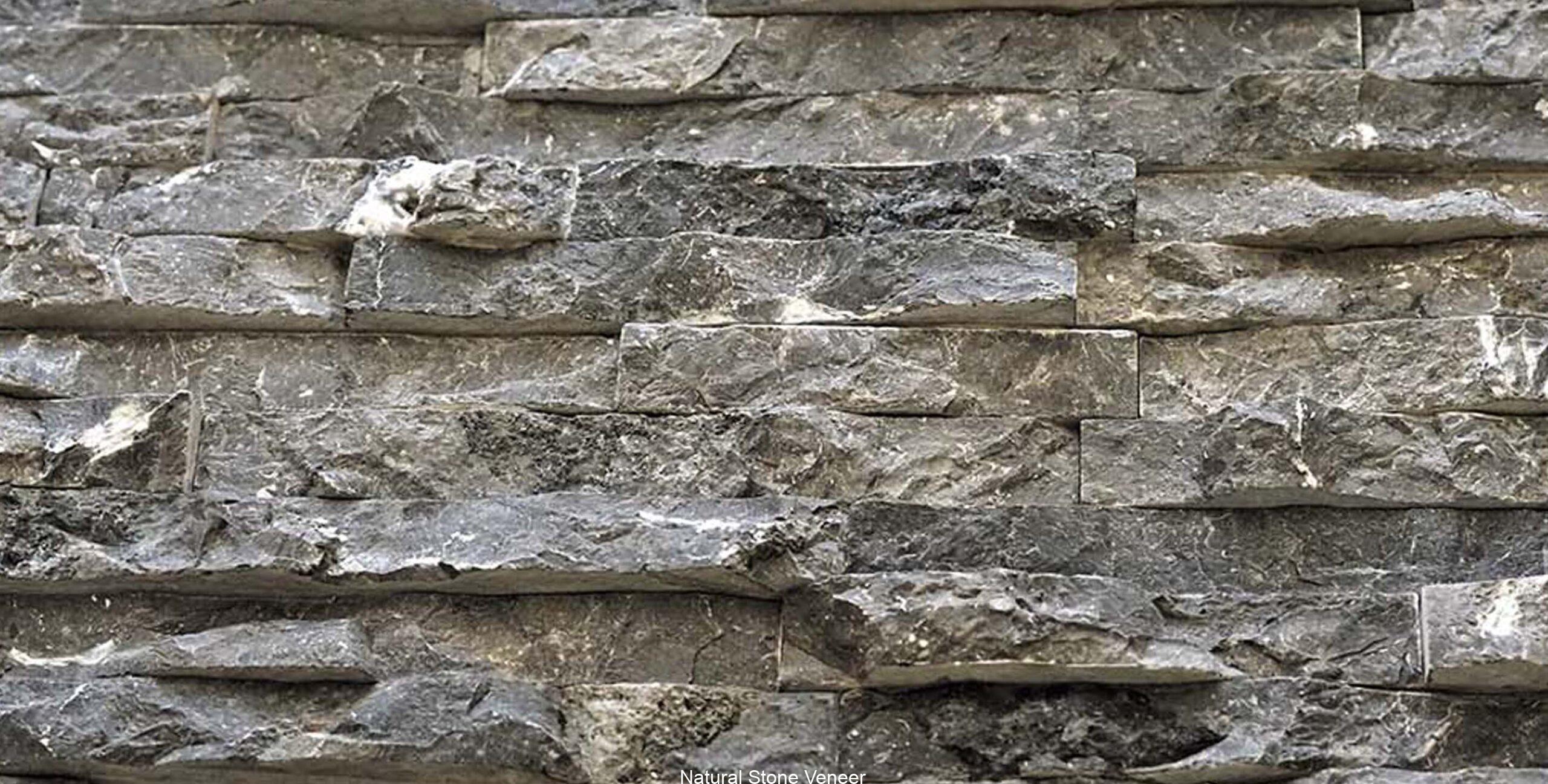
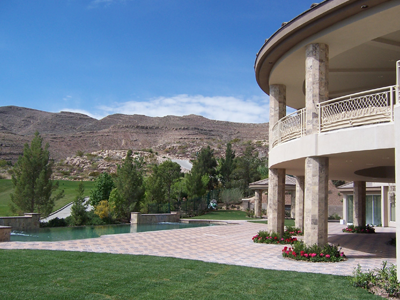
Architectural stone is best when using thin natural stone veneer, but the most important way to cover your thicknesses is by using prefabricated corners, wall caps, and wainscot caps that are cut-to-size to match your staggered pattern and textures.
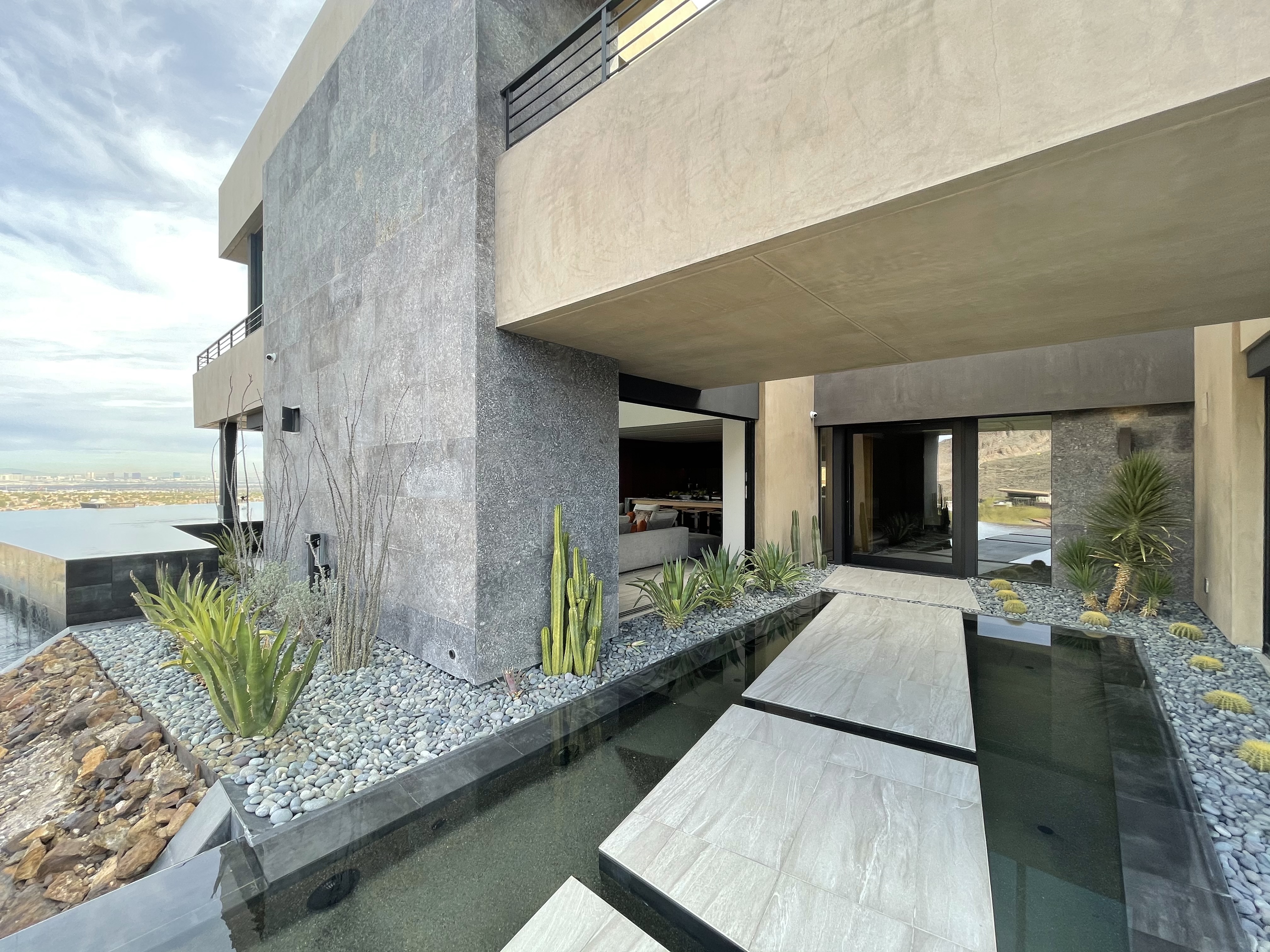
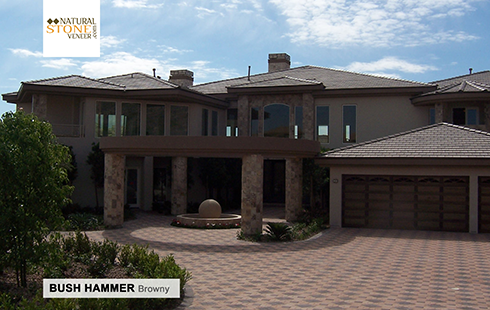
Classic and modern style facades can be achieved using natural exterior stone veneer.
The combination in the installation of natural stone, whether it is of a classical or contemporary look, has a great effect on the architectural design of the exterior.
Designers who choose natural stone veneer for an exterior facade have a variety of choices when it comes to textures and patterns. They can be mixed together for a fusion style.
Thin stone can be mechanically attached, adhered directly to a masonry substrate, dry stacked, or grouted depending on the client’s preference. With its lightweight properties, facades can be cladded higher and with less impact on the structure of the building.
We have created a wide variety of styles and colors that can be blended together to create a natural, harmonical look.
Dolomitic limestone is considered a quality thin stone veneer, so it can be shipped with less damage than soft limestone.
We consider ourselves a luxury stone company because we custom-fabricate our stone to the needs of the clients, contractors, architects, and home owners.
Faux stone veneer or faux rock siding is not preferable on the exterior due to limited lifespan of this product, while our dolomitic natural stone veneer will offer clients a lifetime assurance.
Jul 18, 2022 | Architecture, Green Architecture
Whenever designing and building a pool, not all affecting factors come to mind. Water may seem the biggest problem facing your pool tiling surfaces, but what doesn’t cross all minds is the acid and chlorine levels in the water filling this pool.
While natural stones have different levels of porosity, keep in mind that not all choices are suitable for landscaping and pools.
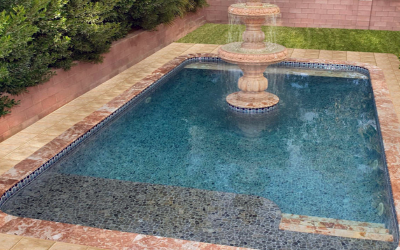
Specific types of pool tiling such as dolomitic are one of the recommended choices. Natural mosaic and pebble stone selection should be considered.
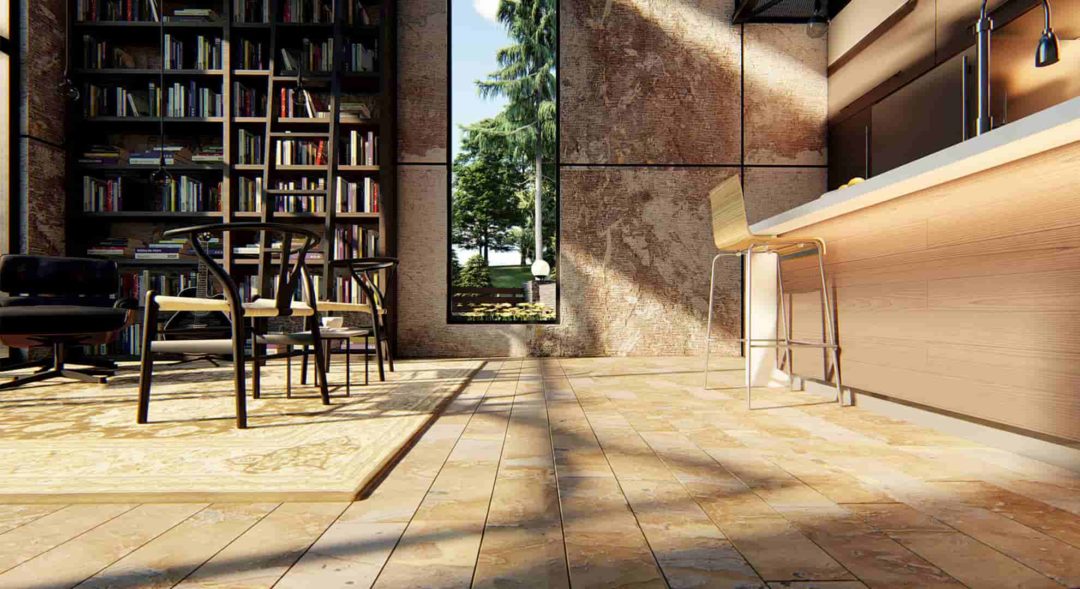
The variety of stone texture choices from bush hammer to leather as well as our combed material can be a choice for pool coping and pool decks as a thick paver or thin stone veneer to lay over concrete slabs depending on the situation using the same textures and sizes creating a monolithic look on your horizontal flooring surfaces. Taking the same material and using it for planters, lighting and speakers’ stone covers, wall caps, pony wall caps, or even custom-made stone waterfalls, fire pits and statues can also help fulfill your landscape design along the pool and its walkway.
Custom-fabricated stone wok pots and flower pots for pools can also be ordered in the same matching colors and textures used for waterfalls to decorate your pool.
Oct 13, 2021 | Architecture, Green Architecture
A well-designed landscape requires more than manicured lawns, flowers, shrubs and trees; it also needs a hardscape. Hardscape refers to non-living structures in landscape design. Balancing natural elements with hardscape can prevent your outdoor space from looking like an overrun forest.
Stone has long been a popular material choice for hardscapes, but there are disadvantages to using natural stone in landscaping. For that reason, more people are now opting to use stone veneer.
A Stone veneer is a thin layer of cut stone or stone-like panels used as facing for buildings and other structures. Stone veneer offers the versatility, variability, durability and aesthetics of natural stone, without the transportation and installation costs and weight of the quarried stone. As the panels are ¾ inch to 2 inches thick, they are light enough to adhere to masonry substrates such as poured concrete, concrete blocks, wood, or metal. They can be used on existing walls, foundation facades, columns, and other outdoor features to create interest and variation to revive your landscape design.
Retaining walls
Retaining walls are a multifunctional addition to landscapes with varying slopes and gradients. They help to hold soil and plants in place to prevent erosion and provide outdoor seating. Retaining walls need to be constructed well to withstand the vertical pressure from the weight of soil and plants. Quarried stone can give the necessary support but may lead to high transportation and installation costs. A more cost-effective and less labour-intensive option is building concrete walls then installing stone veneer on the facing to give the sophisticated and ageless appearance of natural stone.
Garden walls
Garden walls are lower than retaining walls and are mostly decorative. They are used to highlight a landscape feature. Concrete walls can become dingy and stained over time, detracting from the aesthetics of your landscape. Stone veneer offers a low-maintenance, stain-resistant facing that adds visual appeal to flower beds and shrubs.
Walkways and driveways
Stone panels are ideal for pathways and driveways. They are available in a plethora of types, shapes, and sizes to fit any style and can be cut and laid in designs and patterns to transform any landscape. Whether you are aiming for a winding garden path, a curved driveway, or a straight entryway, cut stone can give your landscape a more inviting and uniform appearance.
Outdoor fire pits and fireplaces
An outdoor fire feature creates the perfect ambiance for entertaining and family gatherings. Stone veneer offers varying tones and shapes to create a beautiful focal point for any outdoor fire feature. The dancing light from the flames will create a visual display against earthy textures and tones for a visually warm and inviting space.
Water features
The sound of running water from an outdoor water feature is an excellent way to create a serene and tranquil environment. Using stone veneer within a water feature complements the aesthetics of the design. Stone panels can be incorporated using geometric patterns for borders or realistic river rocks to line the floor of ponds and fountains.
Columns and pillars
Columns and pillars can make a statement in your landscape design. They can be used as decorative posts to provide lighting or placed at the end of your driveway for your mailbox or house number. Accentuate the look of columns and lighting pillars by wrapping them either halfway or full-length with stone veneer.
Stone veneer supplier
Your landscape is one of the first things others will notice when they approach your home. Enhance your landscape with beautiful, durable stone products from Natural Stone veneers.
Natural Stone Veneer is your ideal masonry supplier in USA for natural stone or manufactured stone veneers. Visit our sales and design centre for a quiet and helpful place to coordinate and plan your next project. Our helpful staff can offer advice and estimate costs.
Sep 21, 2021 | Architecture
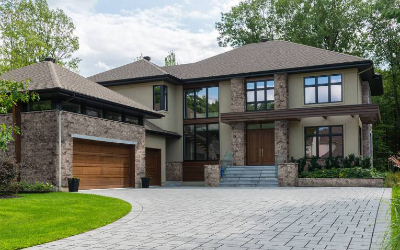
As the natural and textured home trends continue to rise, many building pros and homeowners alike are gravitating more toward exterior stone veneer siding. Not only is stone veneer more durable and water impermeable than wood siding, it also adds character and texture to a home. For a range of applications, exterior stone veneer provides a multitude of options that will complement virtually any home style and boost curb appeal.
Advantages of Stone Veneer Siding
While adding stone siding to the exterior of a home use to cost a small fortune due to the labor-intensive work that came with masonry and heavy natural stone transportation, there are now more options on the market than ever that are budget-friendly. Stone veneer siding is growing rapidly in popularity since its lightweight nature and easy-to-install systems are cutting installation time down immensely. Plus, there isn’t a need for specialized labor skills when installing mortarless stone veneer.
With a wide range of color, shape and pattern options, stone veneer is becoming more and more commonly found on the exterior of the home for siding, columns, accent walls, fire pits and fireplaces. The texture and color blending capabilities of stone veneer products on the market now allow them to seamlessly elevate the natural elements of a home and outdoor living space.
Exterior Stone Veneer Siding Options
1) Traditional Stone Veneer
With a wide range of color, shape and pattern options, stone veneer is becoming more and more commonly found on the exterior of the home for siding, columns, accent walls, fire pits and fireplaces. The texture and color blending capabilities of stone veneer products on the market now allow them to seamlessly elevate the natural elements of a home and outdoor living space.
Exterior Stone Veneer Siding Options
1) Traditional Stone Veneer
Primarily cementitious, traditional stone veneer siding is most comparable to the installation of natural stone siding. Similar to the natural stone, traditional stone veneer relies on a chemical bond and requires WRB, an added weather layer, lath, scratch coat, mortar and sometimes grade beams or lentil to carry the weight of the heavy stone. Although, traditional stone veneer does slightly vary from natural stone siding in that it is more modular, and it doesn’t have to be worked as much to fit the right size. This style will require more skilled labor and due to its need for mortar, the installation time will take considerably longer than some other stone veneer alternatives.
2) Mortarless Easy-to-Install Stone Veneer
Offered in two overarching categories, mortarless easy-to-install stone veneer comes in both panelized systems and individualized systems.
Panelized Systems: Cementitious and Polyurethane-Based
With a panelized system, there are two types, including cementitious-based and thermo-formed or polyurethane-based. Panelized systems typically connect through the use of an attachment flange and can have a spacer or built-in rainscreen. It is common that you are required to hit structural studs during install, which can prove challenging. While stone veneer panels for exterior purposes are great for covering large amounts of square footage at a time, they are not as workable and have proven to be more difficult when it comes to hiding exposed cuts and cutting the product around obstructions or construction details. Another thing to take into consideration with panelized systems, is that once someone can see the pattern of the panels, this style may appear more fake or repetitious compared to traditional stone veneer or individualized systems.
Individualized Systems: Composite and Concrete
With individualized systems, there are two primary types: composites and concrete. These systems install with either finish nails or screws and normally don’t require hitting studs. Composite individualized systems have amazing workability and are easy to cheat if something gets out of level. Concrete individual stone can prove to be tricky, as it requires a connection bracket for screws and has limitations in workability because it’s concrete. Plus, if you have a solid, color-throughout stone veneer in individualized systems, you’ll be able to hide high visibility cuts and reuse scrap pieces that would ordinarily just be wasted material in other alternatives. While panelized systems cover more square footage, the workability of individualized systems end up evening out time spent while installing. Not to mention, most do not require specialty training like a masonry crew, which is normally required for traditional stone veneer installation.
Exterior Stone Veneer Styles
While there is a myriad of exterior stone veneer styles out there, which vary greatly with color, style and texture, the two overarching styles that you’ll want to be sure to choose from revolves around whether you’d like to have mortar joints (exposed grout) or a dry-stack look (tightly fitted).
With individualized systems, there are two primary types: composites and concrete. These systems install with either finish nails or screws and normally don’t require hitting studs. Composite individualized systems have amazing workability and are easy to cheat if something gets out of level. Concrete individual stone can prove to be tricky, as it requires a connection bracket for screws and has limitations in workability because it’s concrete. Plus, if you have a solid, color-throughout stone veneer in individualized systems, you’ll be able to hide high visibility cuts and reuse scrap pieces that would ordinarily just be wasted material in other alternatives. While panelized systems cover more square footage, the workability of individualized systems end up evening out time spent while installing. Not to mention, most do not require specialty training like a masonry crew, which is normally required for traditional stone veneer installation.
Exterior Stone Veneer Styles
While there is a myriad of exterior stone veneer styles out there, which vary greatly with color, style and texture, the two overarching styles that you’ll want to be sure to choose from revolves around whether you’d like to have mortar joints (exposed grout) or a dry-stack look (tightly fitted).
To fit stones together, this technique relies on mortar joints between the stones. This has a big impact on a home’s aesthetics and can be done in a couple of different ways. Depending on the desired look, mortar joints can be dry-laid, feature standard grout joints or face over joints (which gives a wider joint). Generally, Type N or Type S mortars are the most common for installing stone veneer. It’s important to note that grout can be incredibly difficult to work with and extends the overall time and complexity of installation.
No matter the style chosen, exterior faux stone siding offers a wide range of options and benefits in comparison to natural stone siding. As a mortarless, color-throughout stone veneer in an individualized system, Evolve Stone offers even more advantages than other alternatives on the market—nailing it on all fronts.
Frequently Asked Questions
How to install faux stone siding?
For detailed information on faux stone siding installation, visit our installation guide blog.
Can you paint exterior stone?
Painting exterior stone veneer depends on the manufacturer and their recommendation. In most cases, especially if the stone veneer you’re using is cementitious, it is ill-advised to do so. In the case of painting Evolve Stone product, we recommend that you have a professional recommend the proper primer and paint for the application.
Can you use stone veneer on exterior house columns?
Yes, just about any exterior stone veneer can be installed on house columns. Although, it would be extremely difficult to try to do so with a panelized system on smaller columns, as they do not offer the best workability. Evolve Stone can be installed on any column, but we recommend not doing so if your column is less than 18” wide. If you do not have a choice and the column must remain small, we recommend our style with the smallest stones, District View.
How to clean exterior stone on a house?
For most stone veneers, the best way to clean is with regular soap and water. Power-washing is not recommended with most systems, as it could hurt the substrate, not necessarily the stone itself. If you have natural stone or grout joints, power-washing could cause something to come loose. With Evolve Stone, you can power-wash the product itself but don’t recommend because of potential damage to the WRB and rainscreen behind the stones.