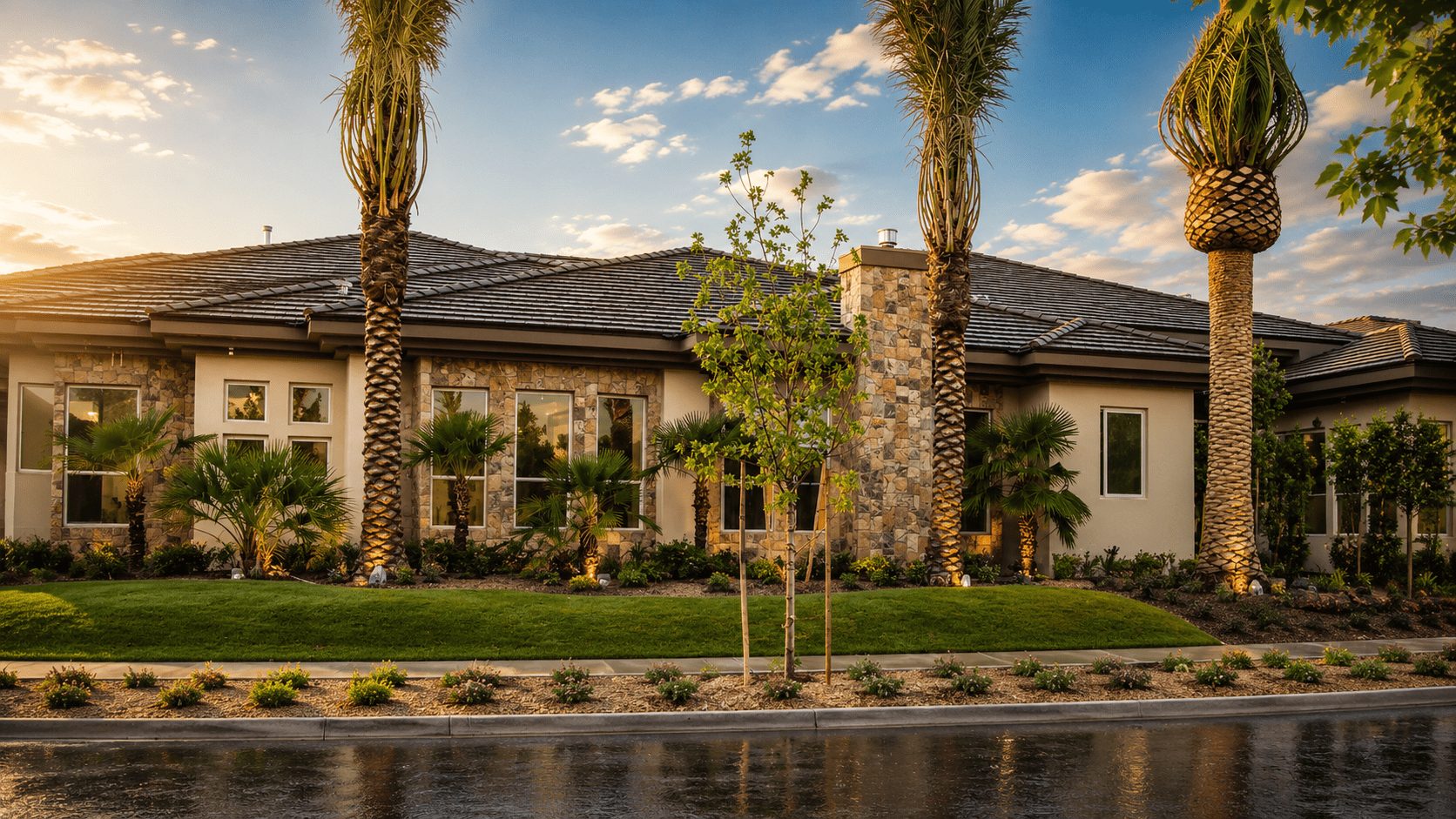
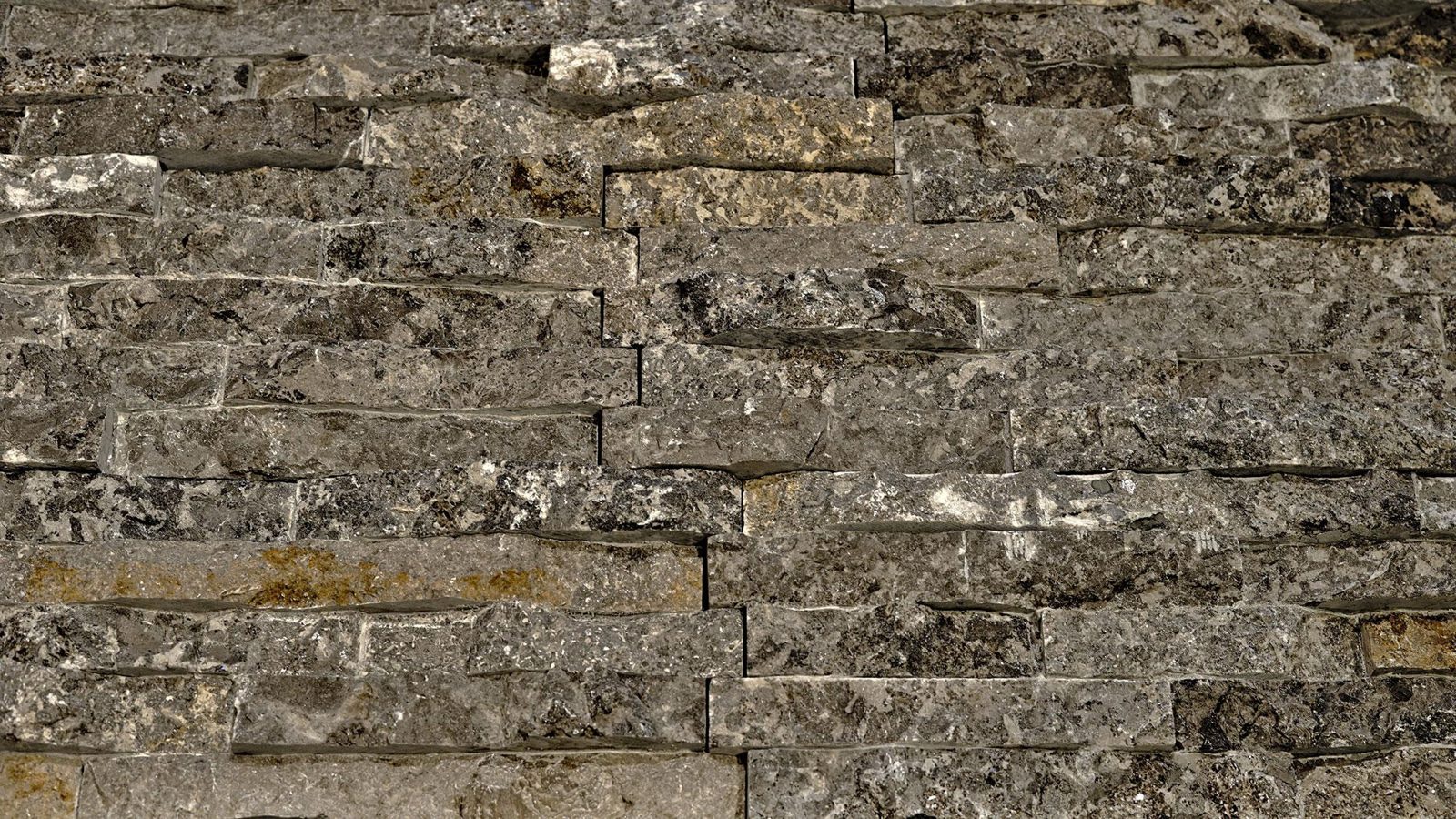
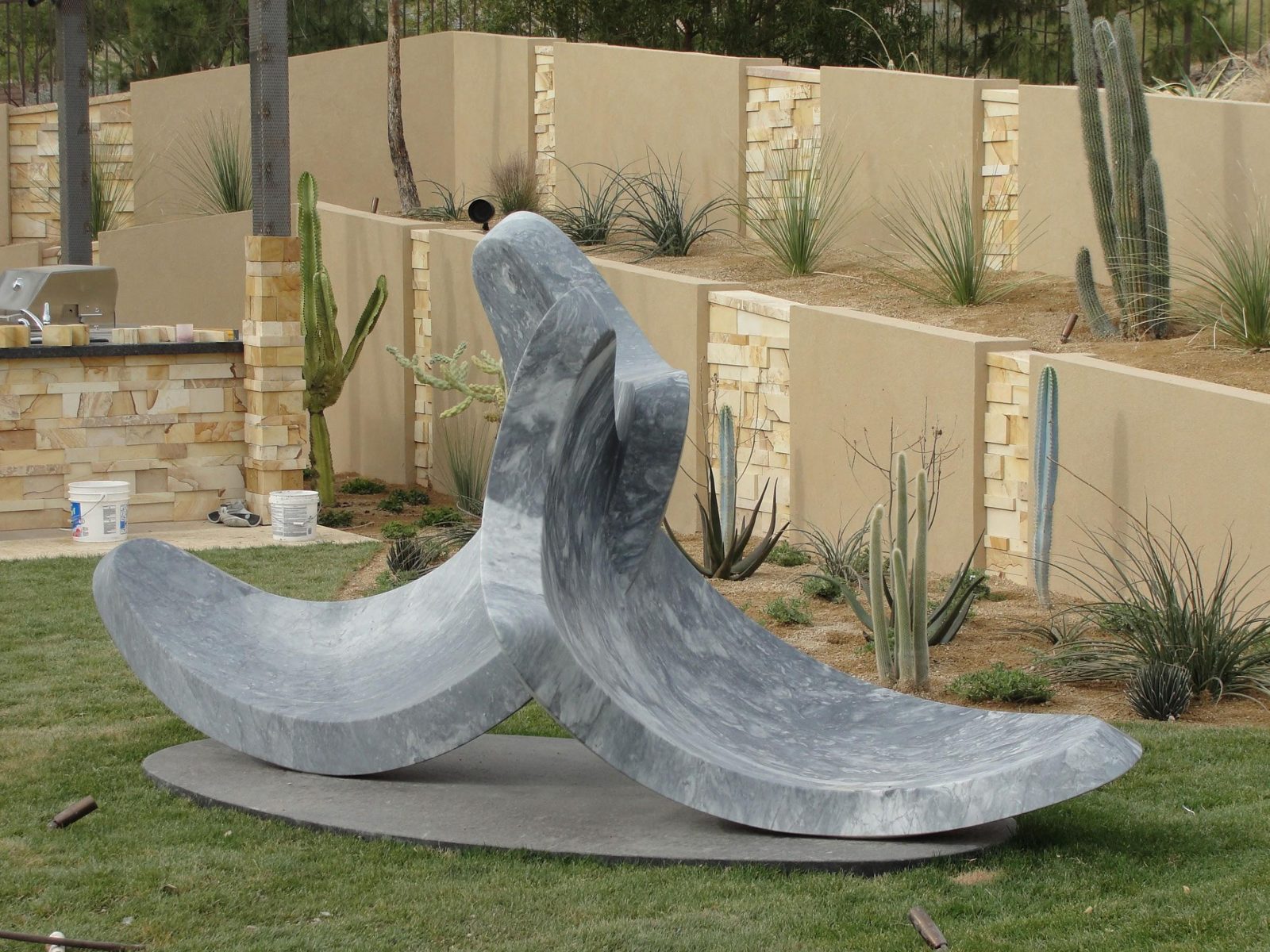
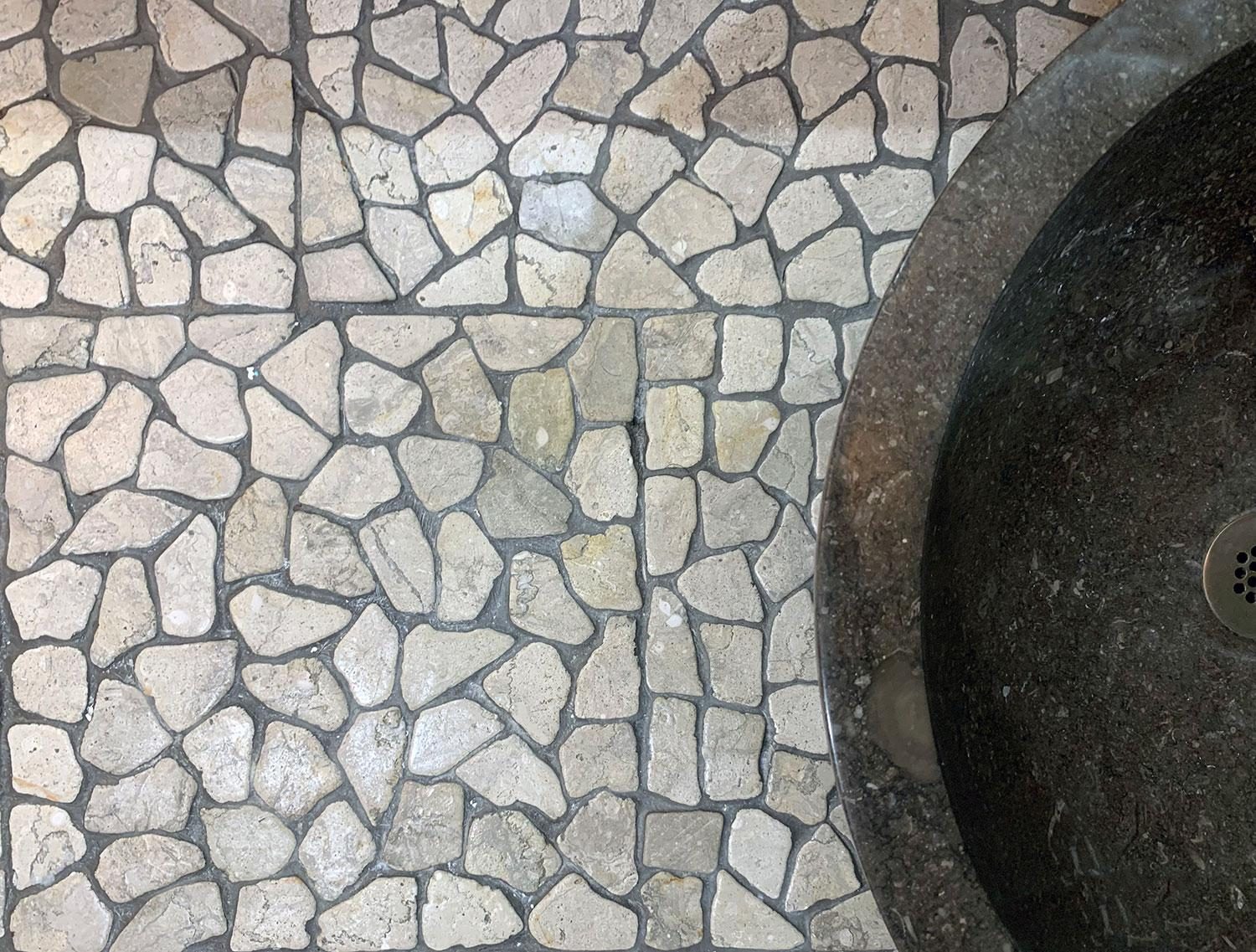
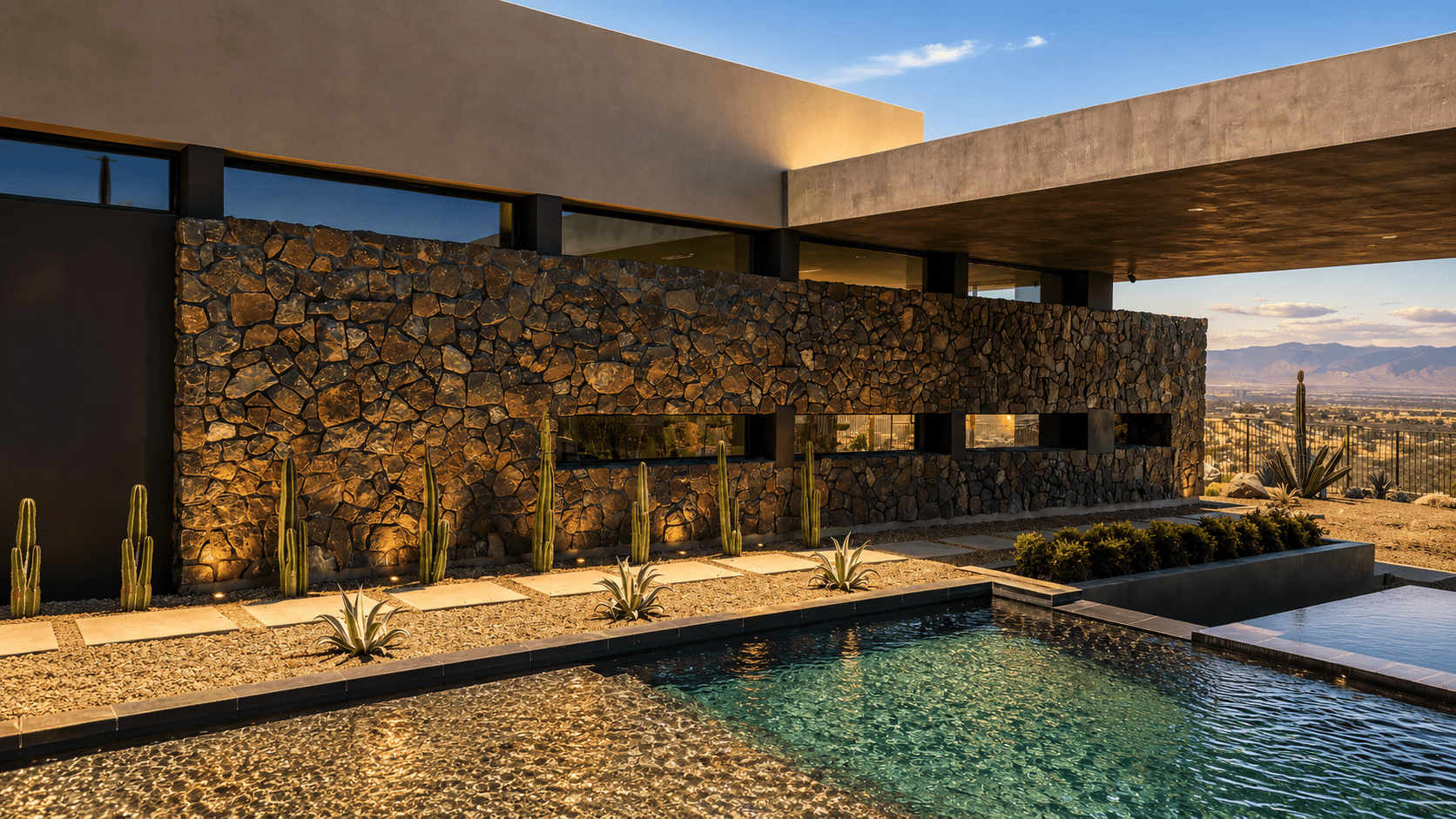
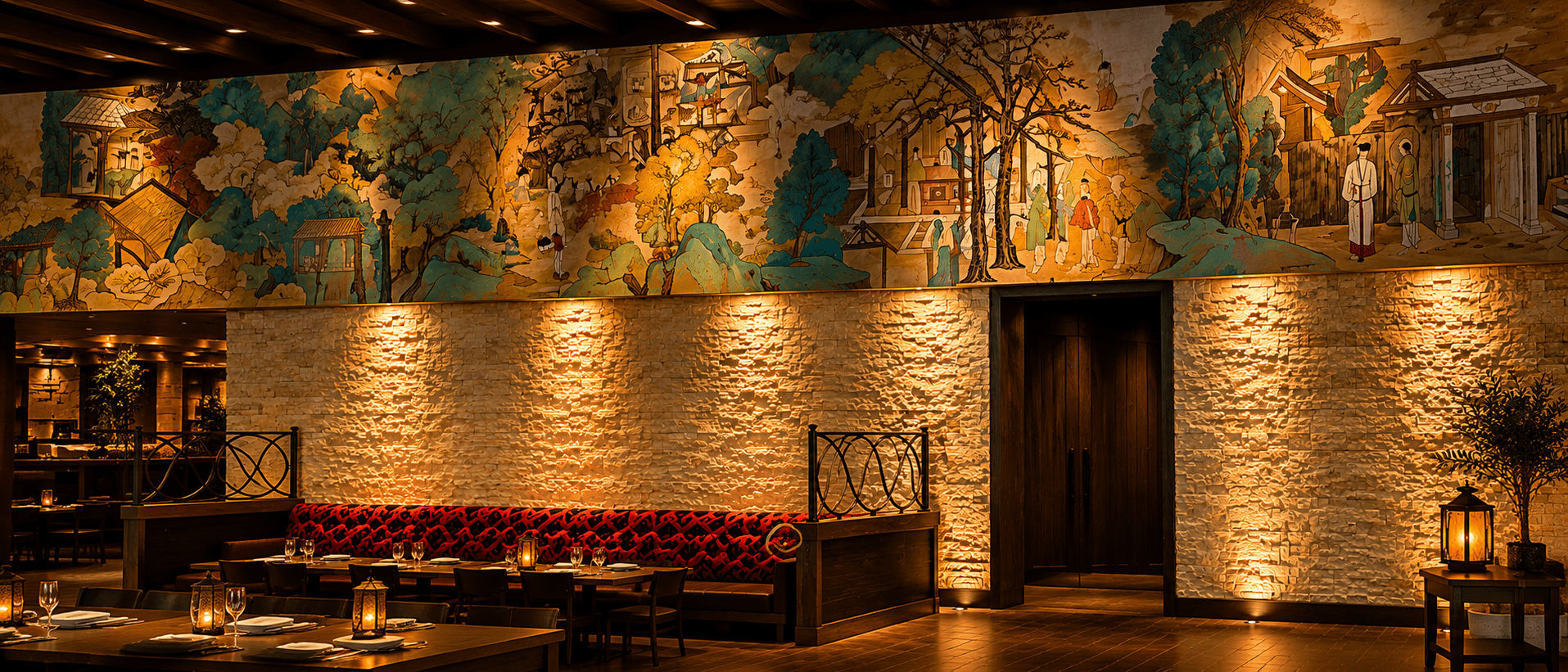
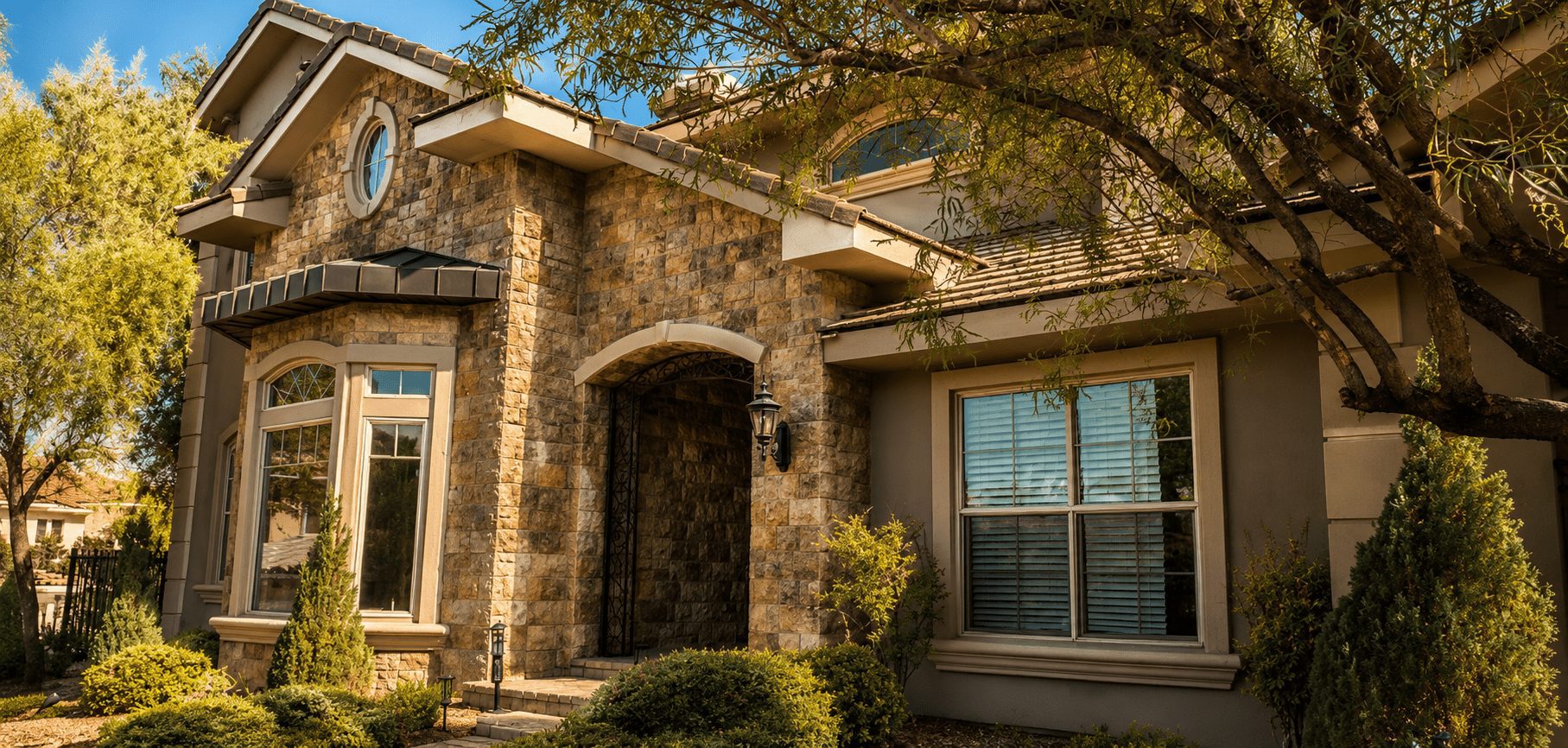
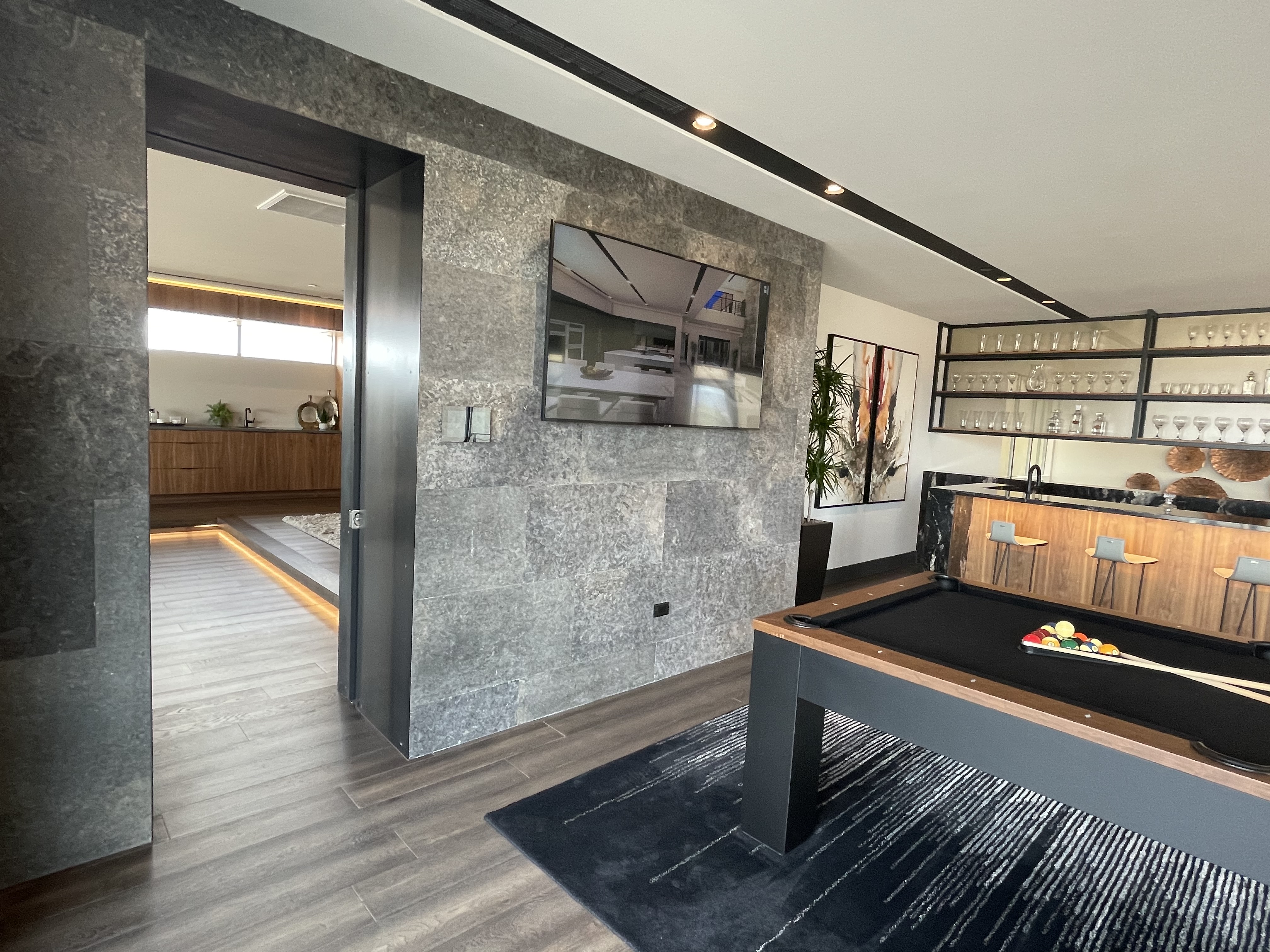
If you are planning a stone wall, fireplace, or facade, one of the first choices is the format of the stone itself: thin stone veneer or traditional full-bed stone. Both are real natural stone at Natural Stone Veneer — the difference is thickness, weight, and how they install. Here is how to decide.
What is the difference?
Full-bed stone is the traditional, full-thickness product that has been used on buildings for generations. Thin stone veneer is that same genuine stone cut to a slimmer profile, so you keep the authentic surface with a fraction of the weight and depth.
Weight and installation
Full-bed stone is heavy and often needs a supporting ledge or footing, which adds labor and structural planning. Thin stone veneer is light enough to apply directly to most prepared wall surfaces, indoors or out, making it faster and simpler to install — a big advantage on vertical surfaces and interior features.
Space and cost considerations
Because it is thinner, veneer takes up less space and is a practical choice where a full-thickness wall would intrude on a room or walkway. It also tends to reduce installation time and structural requirements. Full-bed stone still has its place for certain traditional or ground-level applications where depth is desired.
Which should you choose?
For most feature walls, fireplaces, accent areas, and facades, thin stone veneer delivers the real-stone look with easier installation. For projects that call for full-depth masonry, full-bed stone may be the fit. If you are covering a large wall or facade, ask us about natural stone veneer panels for an efficient install.
Real natural stone, cut to size
Whichever format you choose, at Natural Stone Veneer it is 100% genuine stone — never a molded imitation — cut to your project’s dimensions and factory-direct since 2001. Browse our stone veneer products or contact our team for help choosing the right option for your Las Vegas project.
When you are choosing stone for a home or project, the details matter: where it comes from, how it is made, how it installs, and whether it will still look beautiful decades from now. At Natural Stone Veneer, we have spent more than two decades answering those questions the same way, with real, quarried stone, made in our own factory, and cut to your exact needs. Here is what makes it different.
We own the factory, so we are flexible
Most stone suppliers are middlemen. We are not. Because we own and operate our own factory, we can create exactly what a project calls for, in house: custom sizes, finishes, thicknesses, and colors. Designs can evolve as your project does, without the long delays and markups that come from outsourcing. If you can picture it, chances are we can make it.
Stone you will not find anywhere else
Our stone is genuine dolomitic limestone with colors that run all the way through the piece, not a surface coating like manufactured stone-look products. That means chips and cuts never reveal a gray core, and the color holds for the life of the wall. We carry a range of natural tones, from soft grays and warm beiges to rich browns and dramatic near-blacks, many of which simply are not available from other suppliers in our region.
High-end panels, installed your way
Our interlocking panels are designed for real-world installation. The same product can be set in multiple patterns, whether stacked, running-bond, horizontal or vertical, so one stone can deliver completely different looks depending on the design. It installs much like tile, using thinset and a wet saw, which keeps labor straightforward for any experienced mason or tile setter.
Lightweight, durable, and built to last
Thin natural stone veneer gives you the beauty and permanence of full stone without the weight. Our veneer comes in at under 15 lbs per square foot including thinset, light enough that it usually needs no additional foundation and meets California seismic code. It is tested for freeze and thaw, water, stain, and fire resistance, and it can even be fully submerged in pools. In short, you spend your money once, and you never have to do it again.
Two decades of doing it right
Natural Stone Veneer has been an American, family-owned stone factory since 2001, among the original pioneers of thin natural stone veneer. That experience shows up in consistent quality, colors we keep in stock year after year (so you can add to a project later and still match), and a team that stands behind every order with a limited lifetime warranty.
See it on your own home
Not sure how a finish will look in your space? Use our online visualizer to preview real Natural Stone Veneer on a photo of your own wall, then order free samples (you pay only shipping) to see and feel the stone in person before you commit.
Ready to start?Get a tailored estimate or call us at +1 702-558-7774. We would love to help bring your project to life.
Stacked stone veneer is one of the most versatile and enduringly popular natural stone finishes available. Whether you’re redesigning a living room fireplace, adding a feature wall to a hotel lobby, or creating a dramatic exterior facade, stacked stone delivers a timeless layered texture that works in virtually any setting.
What Is Stacked Stone Veneer?
Stacked stone — also called ledgestone or ledge stone veneer — is a finish where individual pieces of stone are cut to similar widths and layered horizontally, creating a clean, stratified pattern. Unlike irregular fieldstone, stacked stone has controlled proportions that give it a more refined, contemporary look while retaining the authenticity of natural stone.
Fireplace Surrounds
The fireplace is where stacked stone truly shines. A floor-to-ceiling stacked stone surround transforms an ordinary fireplace into the visual centerpiece of a room. Key design tips:
Use a single consistent color (we recommend Sand Beige, Almond, or Adam Blue) for a clean, uninterrupted look
Carry the stone from the floor to the ceiling for maximum impact on standard ceiling heights
Add corner pieces for a professionally finished edge on all visible corners
Combine with a simple wooden mantel to contrast the natural texture
Interior Feature Walls
Stacked stone accent walls are increasingly popular in living rooms, dining rooms, master bedrooms, and open-plan spaces. A single accent wall covered in natural stone adds dimension, warmth, and a sense of permanence that painted or papered walls cannot replicate.
For interior applications, we recommend our Ledge Stone or Stacked Stone finish in one of our warm tones. The horizontal lines of stacked stone make rooms feel wider, which is ideal for living spaces.
Exterior Facades & Entry Features
Stacked stone is equally at home on the exterior of a residence or commercial building. Popular applications include:
Full front facade cladding for a dramatic curb appeal transformation
Entry columns and gate pillars to frame the driveway
Outdoor kitchen side panels and bar fronts
Retaining walls and raised garden beds
Commercial & Hospitality Applications
Hotels, restaurants, office lobbies, and retail spaces regularly use stacked stone veneer for reception desks, feature walls, and exterior identity statements. Natural stone communicates permanence, quality, and sophistication — values that luxury brands and hospitality operators want to project.
Design Tips for Stacked Stone Projects
Mixing Textures
For large installations, consider combining stacked stone with a contrasting finish — such as a honed or polished inset — to create visual breaks and add sophistication.
Corner Pieces Are Essential
Always specify corner pieces for any exposed edge or outside corner. Mitered cuts on flat pieces look unfinished; proper corner pieces wrap the stone cleanly around the edge for a professional result.
Consistent Grout Lines
Stacked stone can be installed with tight or open mortar joints depending on the look you want. Tighter joints look more refined; wider joints look more rustic. For modern interiors, we recommend tight joints with a matching grout color.
Order Your Stacked Stone Samples
Ready to bring stacked stone veneer into your next project? Browse our Stacked Stone and Ledge Stone finishes in all 20 colors, or contact us for a custom cut-to-size quote tailored to your exact dimensions.
Choosing stone veneer for an exterior wall, facade, or entryway is one of the most impactful design decisions you can make. Done right, it adds decades of curb appeal and real estate value. Done wrong, it can look out of place or deteriorate prematurely. This guide walks you through everything you need to consider.
Step 1: Define the Application
Where the stone will be installed affects every other decision. Key exterior applications include:
Full house cladding or facade — requires consistent color and finish across large areas
Accent walls and entry columns — can use bolder textures and colors
Retaining walls and garden borders — needs frost resistance and outdoor durability
Pool surrounds and water features — requires non-slip finishes and moisture resistance
Step 2: Choose the Right Finish
The finish defines the visual texture of the stone. Here are the most popular options for exterior applications:
Stacked Stone
Stacked stone (also called ledgestone) creates a layered, horizontal effect. It is one of the most popular choices for modern and contemporary homes. The tight horizontal lines draw the eye across the facade and make walls appear wider.
Split Face
Split face is cut to reveal the raw, natural cleavage of the stone, resulting in a rough, rustic texture with dramatic shadow lines. Ideal for statement walls, gate pillars, and outdoor fireplaces.
Bush Hammer
Bush hammer finish uses a textured hammer to create a uniform dimpled surface. It is extremely durable, non-slip, and works well in both modern and traditional settings. Popular for pool decks, driveways, and garden walls.
Honed or Polished
Honed and polished finishes are smooth and refined. While most often used indoors, they can work beautifully on covered exterior walls, entry features, and commercial facades.
Step 3: Select the Color
Color selection depends on two factors: the architecture of the building and the surrounding environment. Warmer tones (Sand Beige, Almond, Red Camel) complement Mediterranean and traditional styles. Cooler, neutral tones (Adam Blue, Baltic, Oyster Grey) work well with contemporary and industrial designs.
One significant advantage of our stone: we maintain the same 20 colors continuously, year after year. This means if you expand your project in the future, you can perfectly match existing stone — something manufactured stone suppliers cannot guarantee.
Step 4: Consider Your Climate
Exterior stone must handle freeze-thaw cycles, UV exposure, and rain. Dolomitic limestone — the stone we use — has extremely high density, which means low water absorption and excellent freeze-thaw resistance. Always specify whether your project is in a freeze-thaw climate so we can advise on appropriate thickness and installation methods.
Step 5: Plan for Custom Sizing
Standard exterior projects rarely have perfectly standard dimensions. Our cut-to-size service means you submit your exact measurements and we cut each piece accordingly, minimizing waste and installation time. This is particularly valuable for window surrounds, archways, and pillar cladding.
Get Samples Before You Commit
We strongly recommend ordering physical samples before finalizing your selection. Stone looks different in different lighting conditions, and the texture is impossible to fully appreciate from a photo. Request your samples today and see them in your actual project environment.
When it comes to stone veneer for your home or commercial project, one of the first decisions you’ll face is: natural stone or manufactured (synthetic) stone? Both look similar in photos, but they perform very differently over time. This guide breaks down the real differences so you can make the right choice for your project.
What Is Natural Stone Veneer?
Natural stone veneer is real quarried stone that has been cut thin — typically 3/4″ to 1.5″ thick — so it can be applied to walls, floors, and other surfaces without the structural requirements of full-depth stone. Our thin-cut dolomitic limestone is quarried, precisely cut, and shipped factory-direct, giving you the look, feel, and durability of genuine stone.
What Is Manufactured Stone Veneer?
Manufactured stone veneer is concrete mixed with pigments and aggregates, poured into molds to mimic the appearance of natural stone. It is lighter and often less expensive, but it is not real stone. Over time, the color can fade, the surface can chip, and it lacks the density and uniqueness of quarried stone.
Key Differences at a Glance
Authenticity & Appearance
Every piece of natural stone veneer is unique — no two pieces look exactly alike. Manufactured stone, by contrast, is cast from molds, which means patterns repeat. On larger installations, these repeated patterns become visually noticeable.
Durability
Dolomitic limestone — the stone we use at Natural Stone Veneer — is one of the densest, most durable natural stones available. Its high density allows us to cut it thinner than most natural stones without sacrificing strength. Manufactured stone, being concrete-based, is more porous and more susceptible to moisture intrusion, freeze-thaw cracking, and surface erosion.
Color Consistency Over Time
Natural stone retains its color permanently because it is inherent to the mineral composition. Manufactured stone is pigmented on the surface, and that pigment fades with UV exposure over 5-15 years, requiring repainting or replacement.
Environmental Impact
Natural stone requires no manufacturing process beyond quarrying and cutting. Manufactured stone requires cement production, which is one of the largest industrial sources of CO2. For sustainability-focused projects, natural stone is the lower-carbon choice.
When Does Manufactured Stone Make Sense?
Manufactured stone can be a reasonable choice for very tight budgets, projects with strict weight limits (such as high-rise buildings without structural reinforcement), or applications where the area is small and not highly visible. However, for any project where longevity, authenticity, and long-term value matter, natural stone veneer is the superior investment.
Why Our Clients Choose Natural Stone Veneer
Factory-direct pricing eliminates the middleman markup
20 consistent colors available at all times — match existing stone years later
Custom cut-to-size service ensures no waste on unusual dimensions
Certified to meet the highest architectural specifications
Used by architects, developers, and homeowners across the USA and internationally
Ready to See the Difference for Yourself?
The best way to compare is to hold a sample in your hands. Order your free stone veneer samples today and see why architects and designers across the country choose natural stone over manufactured alternatives.
Introduction: When it comes to revamping the exterior of your home or adding a touch of natural elegance to your walls, stone veneer offers a perfect blend of beauty and resilience. Not only does it elevate the visual appeal of your property, but it also stands up to the elements, providing a durable solution that lasts years. This guide will walk you through the essential considerations for choosing the right stone veneer for your home’s siding and walls, ensuring you make an investment that amplifies your home’s style and worth.
Understanding Stone Veneer: Stone veneer is a decorative building material manufactured to replicate the look of natural stone. It comes in two main types: natural stone veneer, which is sliced from real stone, and manufactured stone veneer, which is a molded and painted product made to look like stone. Both options offer a variety of textures, colors, and styles, making stone veneer a versatile choice for homeowners.
The Benefits of Stone Veneer:
Aesthetic Appeal: Stone veneer adds a luxurious and timeless look to any home.
Durability: It’s designed to withstand harsh weather conditions, making it an ideal choice for both indoor and outdoor applications.
Maintenance: Unlike traditional stone, stone veneer requires minimal upkeep to maintain its appearance.
Installation: It’s lighter than natural stone, which makes the installation process more straightforward and often more cost-effective.
Choosing the Right Stone Veneer:
Assess Your Home’s Style: Consider the architectural style of your home. Rustic stone veneer complements traditional designs, while sleek, modern profiles work best with contemporary aesthetics.
Color Coordination: Select a color that harmonizes with your home’s existing palette. Neutral shades offer versatility, while bold tones make a statement.
Texture and Size: The texture of the stone veneer can range from smooth and refined to rugged and natural. The size of the stones will also impact the overall look—larger stones can make a bold impact, while smaller stones tend to offer a more subtle enhancement. See samples here: SAMPLES
Quality and Durability: Opt for high-quality veneer that promises longevity. Check for warranties and product ratings.
Eco-Friendly Options: If sustainability is a concern, look for stone veneer products that are sourced responsibly or manufactured with eco-friendly practices.
Installation Tips:
Professional Installation: For the best results, consider hiring a professional installer who has experience with stone veneer.
Preparation: Ensure the wall surface is clean, dry, and structurally sound before installation.
Sealing: To protect against moisture and weather damage, seal the veneer properly, especially in outdoor applications.
Maintaining Your Stone Veneer: Proper maintenance ensures your stone veneer retains its allure and strength over time. Gentle cleaning with a soft brush and mild detergent can remove any accumulated dirt or debris. It’s also wise to inspect your veneer annually for any signs of wear or damage. Should you require repairs, seek out reputable providers of stone maintenance services.
For inspiration on the potential of stone veneer in home design, explore the transformative projects featured on the Natural Stone Institute’s website. If you’re interested in the sustainability aspect of your home materials, consider reading about eco-friendly practices on the Green Building Council’s website. And for an array of stone veneer options, visit our product gallery to see examples of how our customers have elevated their homes with our diverse selections.
Conclusion: Choosing the right stone veneer for your home’s siding and walls is an investment in both the beauty and longevity of your property. With the right selection, you can enjoy the natural charm and enduring quality of stone, adding to your home’s curb appeal and overall value. Don’t hesitate to consult with a professional to find the stone veneer that best suits your style and needs. Discover the elegance and durability of stone veneer for your home. Learn how to select the perfect stone veneer siding and walls to enhance your home’s aesthetic and value.
Ready to transform your home with stone veneer? Browse our extensive collection of stone veneer sidings and walls to find the perfect match for your home https://www.naturalstoneveneer.com/. Contact us today for expert advice and premium stone solutions! 1-888-558-7774.